LIMITED BATCHES • HAND CRAFTED • SLOVENIA
Medicinal mushroom extracts and tinctures
Reishi • Chaga • Lion’s Mane
A laboratory-driven approach to the extraction, development and formulation of concentrated extracts and tinctures.
For our own products and selected B2B collaborations.
Why are GoMushroom tinctures different?
Tinctures made by extraction.
Not by mixing.
Many producers sell tinctures made from purchased extracts or powders. At GoMushroom, we carry out the extraction ourselves – from raw material of known origin to the finished tincture.
🍄🟫
Raw material of known origin
We grow our Reishi in-house, Lion’s Mane is grown for us by Pohorska gobarna, and our Chaga comes from a carefully selected supplier. This gives us a clear understanding of the origin and quality of every raw material entering the extraction process.
💧
Multi-stage extraction
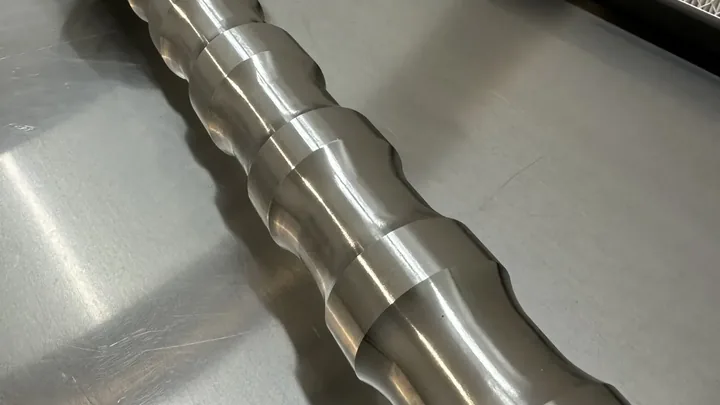
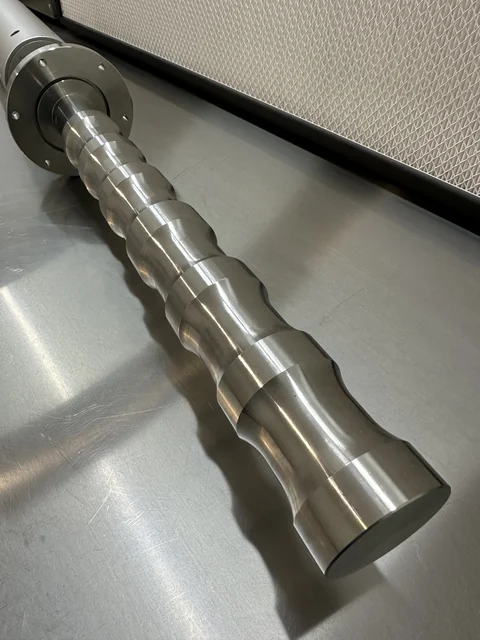
Ultrasound, hot water and pressurised extraction one after another, so the extract carries a wider range of compounds than any single step can reach.
❄️
Vacuum concentration
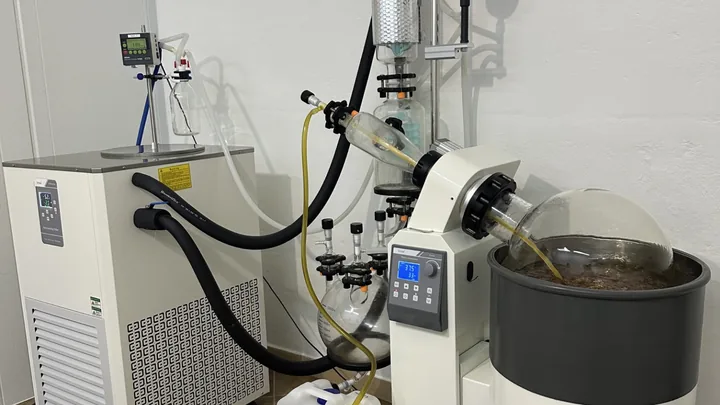
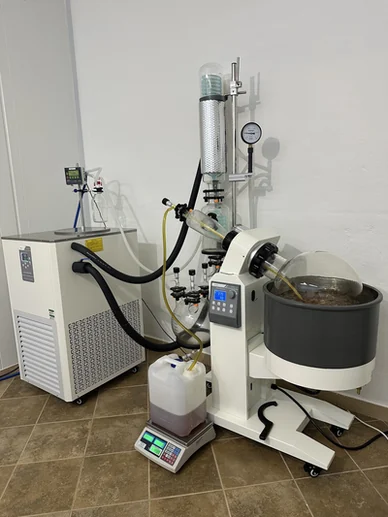
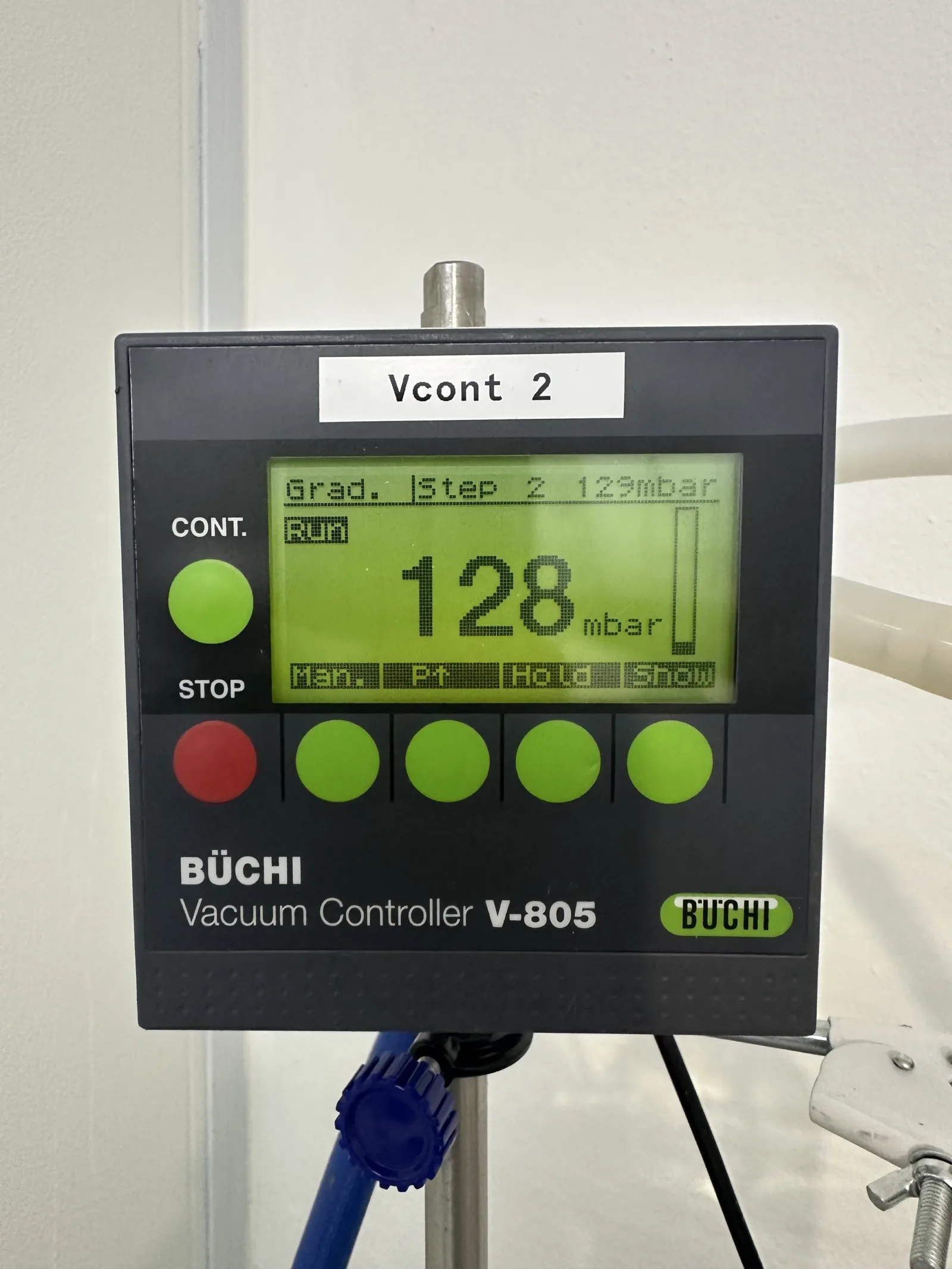
The extract is concentrated under reduced pressure at low temperature, allowing the solvent to evaporate without “cooking” the compounds we went to the trouble of extracting.
🛡️
Transparency
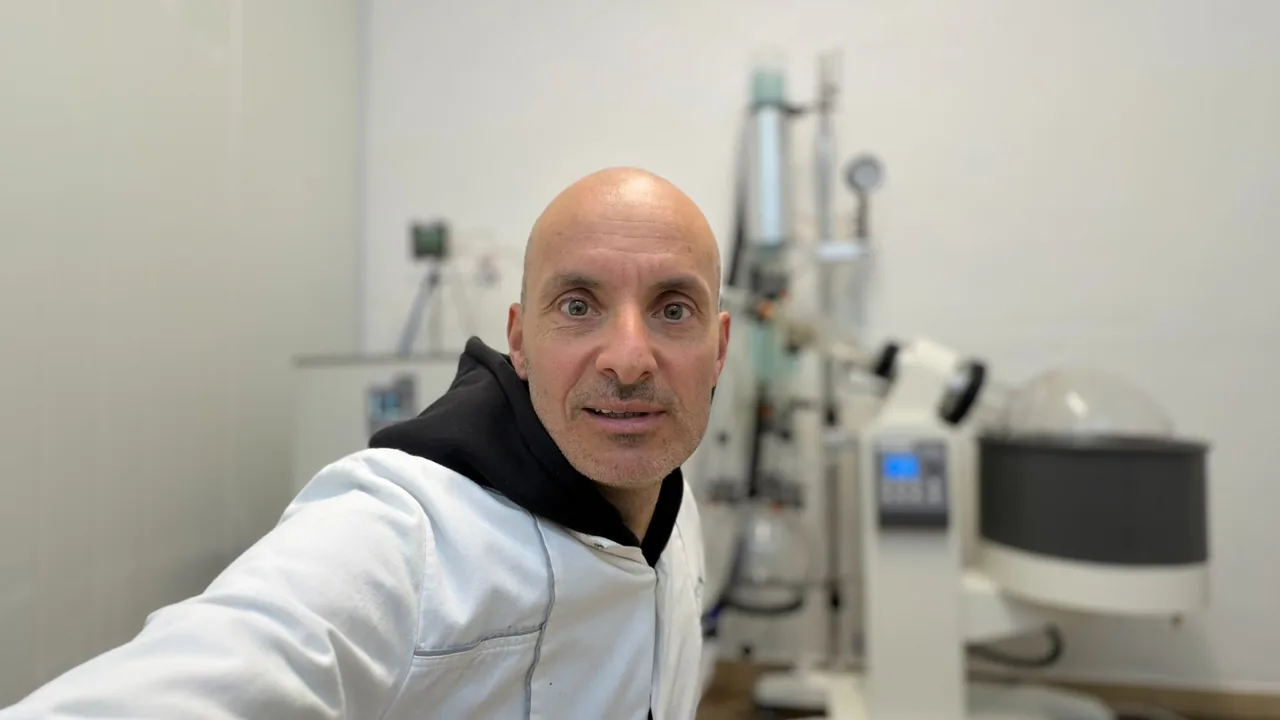
We show publicly how the extract is made, and every batch carries its own designation and stays traceable.
💧
Natural sediment is not a fault. In highly concentrated tinctures, part of the dissolved matter may no longer stay fully in solution in the final solvent. That is a sign of a saturated solution rather than of poor filtration.
✕
Common on the market
- ✕Bought-in extracts or powders
- ✕Limited information about the origin of the raw material
- ✕The production process is often not shown
- ✕Limited information about quality and traceability
- ✕Large batches with limited traceability
VS.
✓
GoMushroom
- ✓Known origin of every raw material
- ✓Extracts made in house
- ✓Multi-stage extraction with ultrasound
- ✓Low-temperature vacuum concentration
- ✓Small batches with full traceability
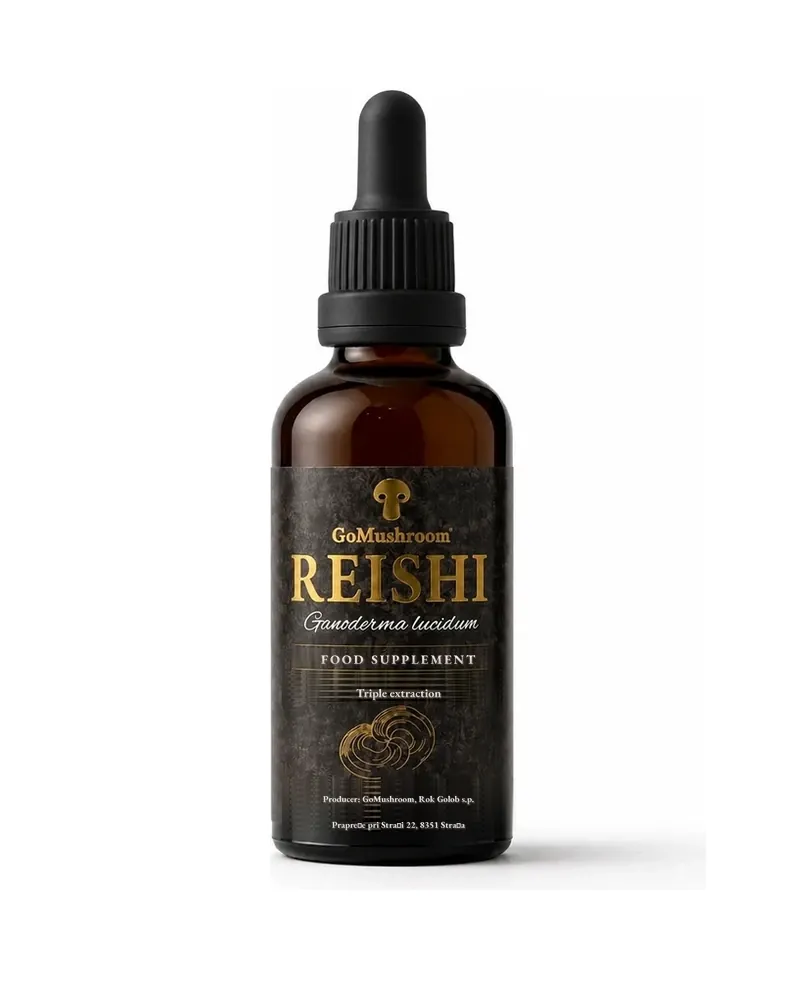
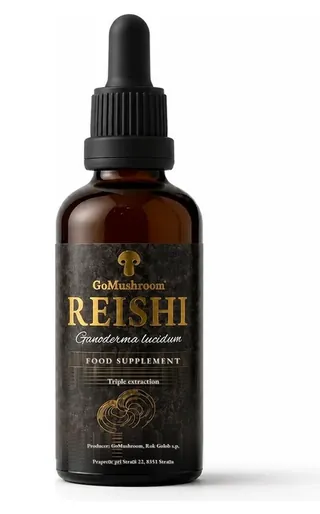
We grow our own Reishi. We make every extract ourselves. The process is ours.
🍄🟫In-house cultivation, known origin
🧪Laboratory process and quality control
💧High concentration of active compounds
🛡️No unnecessary additives
📄Published heavy-metal analyses
Extraction of medicinal mushrooms
We work with both client-supplied and our own raw materials, developing alcohol- and glycerin-based formulations as well as private label products in small, controlled batches.
Each project is approached individually, depending on the mushroom species, target compounds and intended formulation.
Services
Learn more →
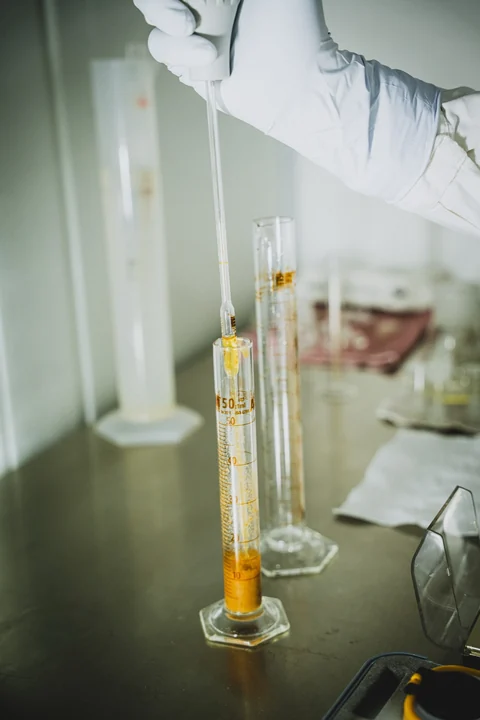
Medicinal mushroom extraction
Triple extraction, formulation, and extract concentration
Learn more →
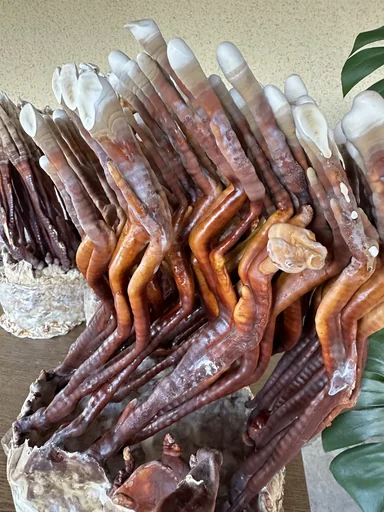
Reishi Cultivation (Ganoderma lucidum)
In-house cultivation and raw material quality control
Learn more →
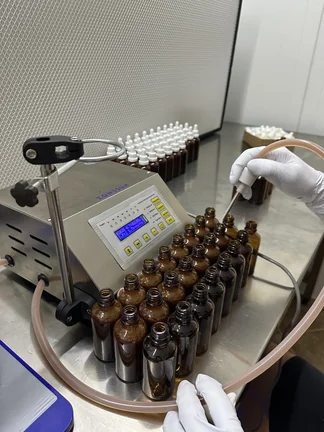
Additional services
Botanical extracts, formulation development, and laboratory services
Approach — triple extraction and vacuum concentration
Step 1
Triple extraction
Ethanol → hot water → pressure water. Each stage targets a different spectrum, resulting in a full-spectrum extract.
Step 2
High solvent volume
A higher solvent volume delays saturation, improves mass transfer and increases extraction yield.
Step 3
Ultrasound support
Ultrasound micro-cavitation loosens the matrix and improves release of compounds — faster extraction, higher yield.
Step 4
Vacuum concentration
We remove solvents at lower temperatures to preserve sensitive compounds, natural aroma and color.
QC 1
Quality
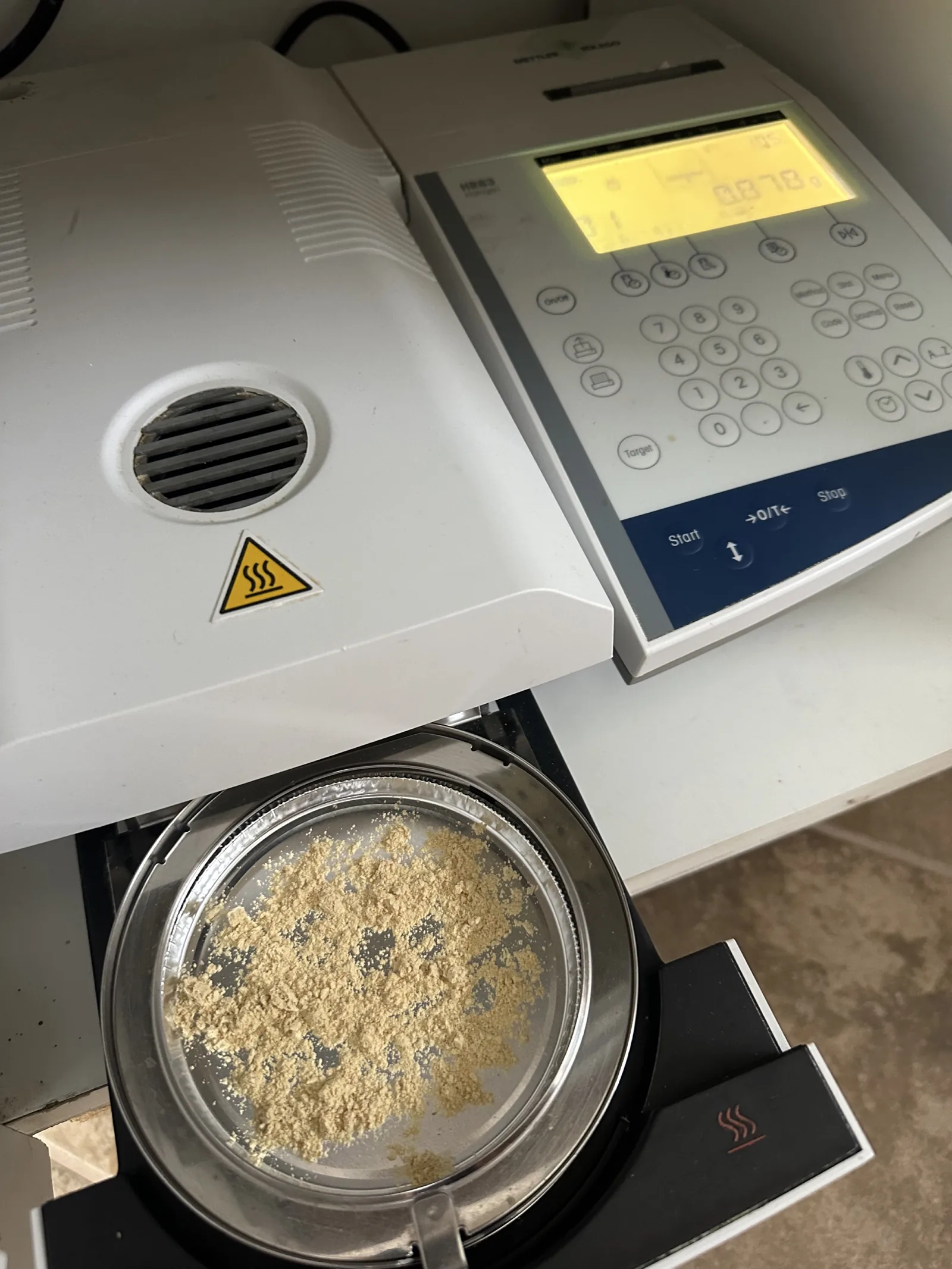
Internal QC on raw materials and final products: solids, density, extractable fraction and batch traceability.
QC 2
Compliance
Work follows HACCP principles and a GMP approach; ethanol use is recorded with excise-compliant tracking.
Gallery

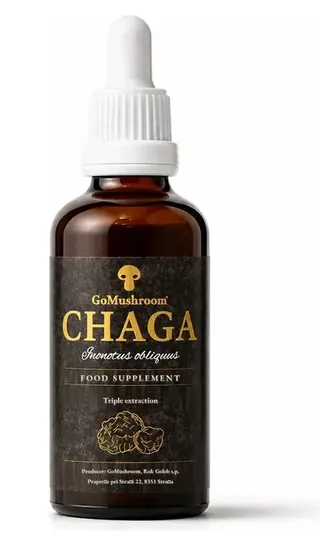
GoMushroom Tinctures
Our own line of concentrated extracts, developed and made in our laboratory.
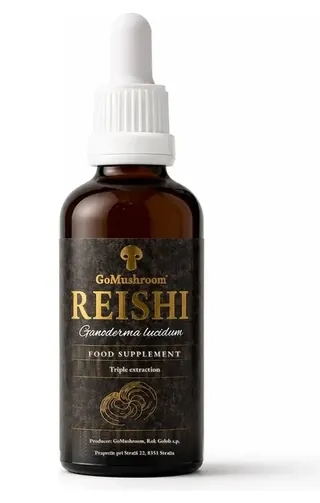
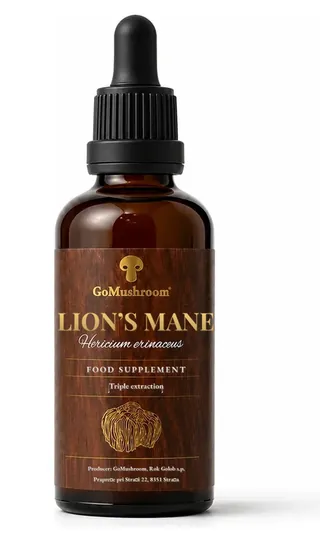
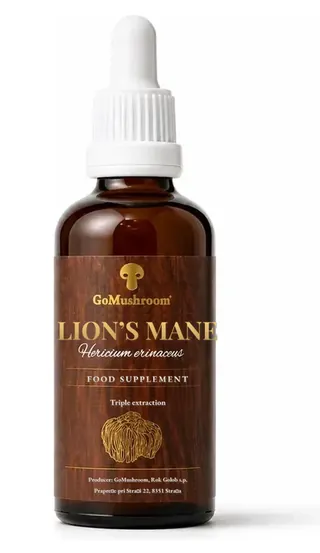
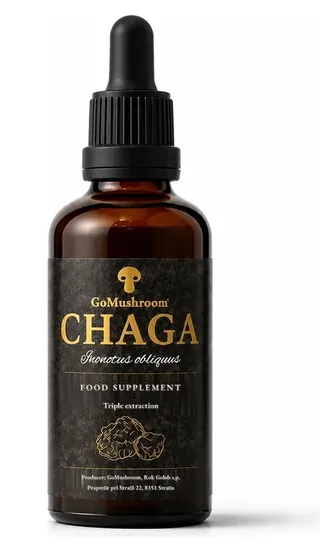
GoMushroom tinctures are built on the approach described above — from raw material we grow ourselves or select with care, through to the finished bottle. Every batch is extracted here, under our own control and without shortcuts, which is what keeps the raw material and the finished product connected.
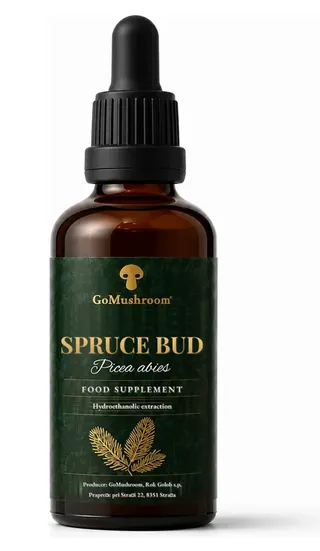
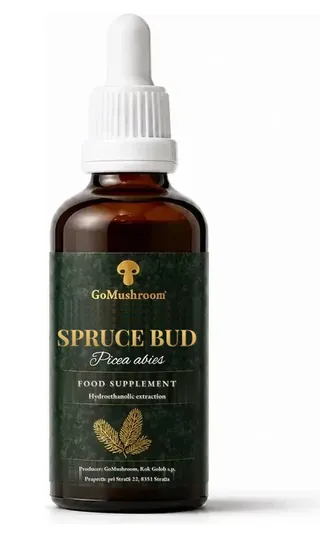
Spruce Bud
The colder months
A concentrate of freshly picked spruce buds.
Seasonal routine
Traditional use
To the shop →
Example Products for Partners
Examples of tinctures developed for partners as part of B2B collaborations.


Contact GoMushroom — medicinal mushroom extraction lab
Interested in working with GoMushroom? Send me a message and briefly describe what you need (product, raw material, development, wholesale, or a custom project). I respond quickly and suggest next steps: a short call, goal alignment, then a proposal (timeline, volumes, specifications) and execution plan.