Services
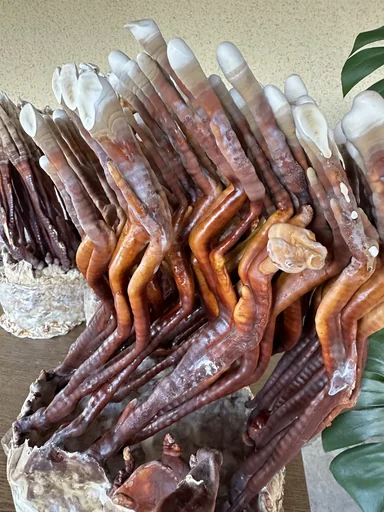
Reishi cultivation (Ganoderma lucidum)
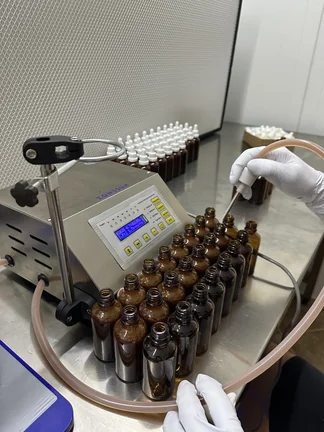
Other services
Medicinal mushroom extraction
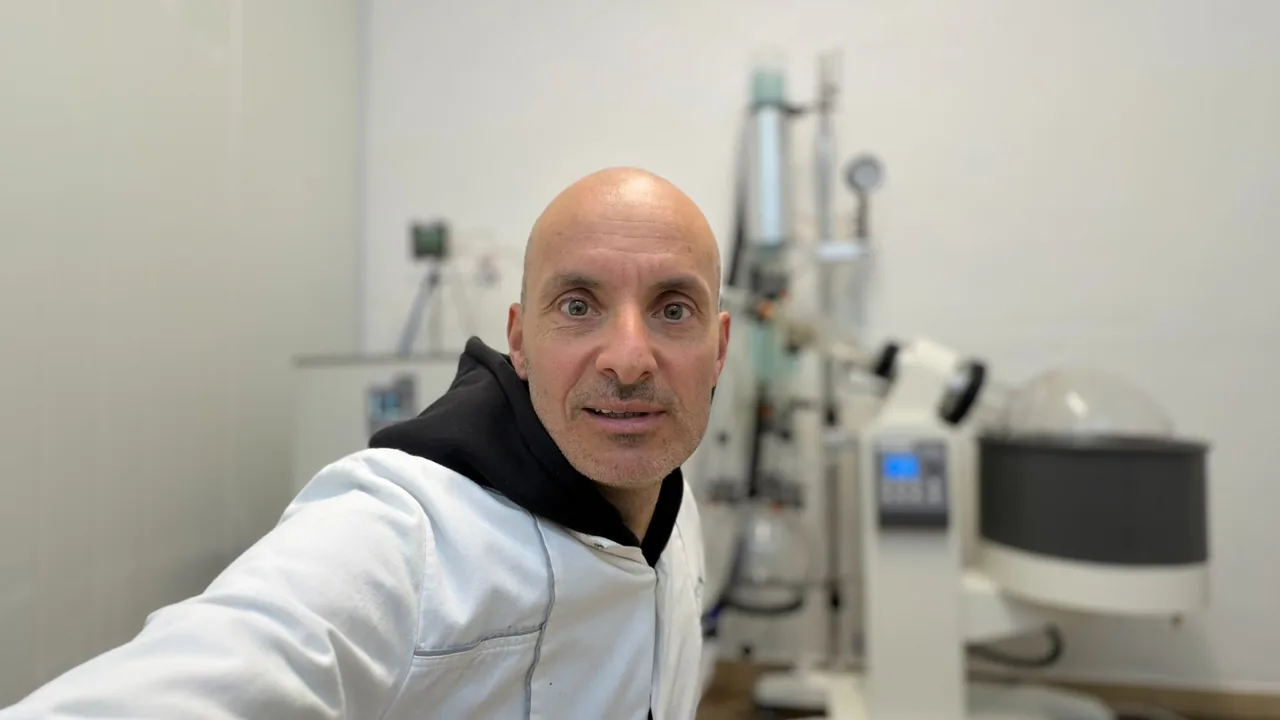
In our lab we have developed and standardized a proprietary extraction process based on sound scientific principles, supported by published literature as well as our internal measurements and practical findings. The key is not a single parameter — it is efficiency and repeatability: achieving the best possible and consistent recovery of the target fractions for each mushroom species. Exact parameters (ratios, times, phase order, and solvent selection) are part of our internal know-how and are adapted to the species and the desired fractions.
Medicinal mushrooms have a structurally resilient cell wall (e.g., chitin, β-glucans), so releasing bioactives is often more challenging than for most plants.[1][2] We therefore prepare the raw material to retain actives as much as possible; for Reishi we use a two-stage drying protocol with a final vacuum-drying step, and similar principles are applied to other species (by agreement and depending on the matrix).[7][8] Extraction is performed sequentially (multi-stage) using solvents of different polarity to capture water-soluble fractions (polysaccharides/β-glucans) and alcohol-soluble fractions (e.g., triterpenoids/phenolics) separately.[6]
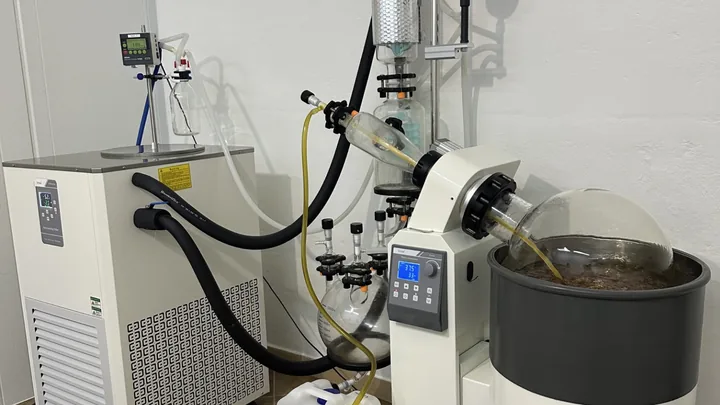
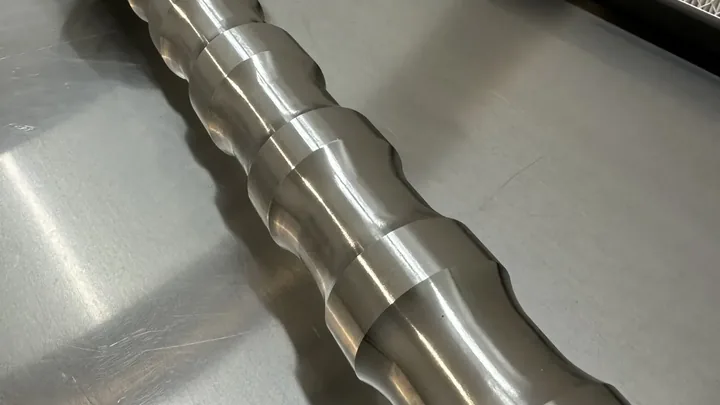
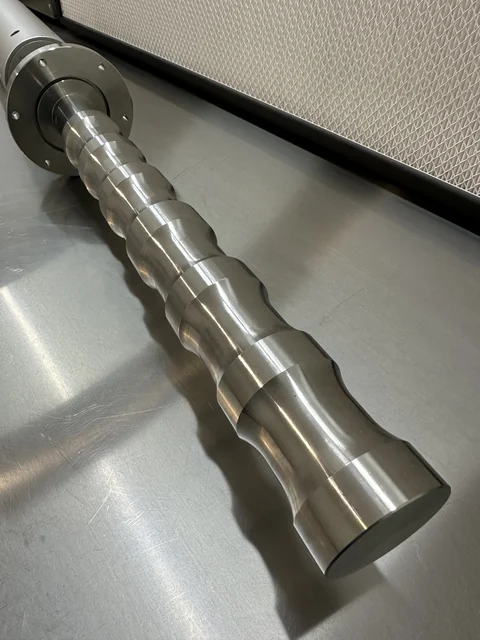
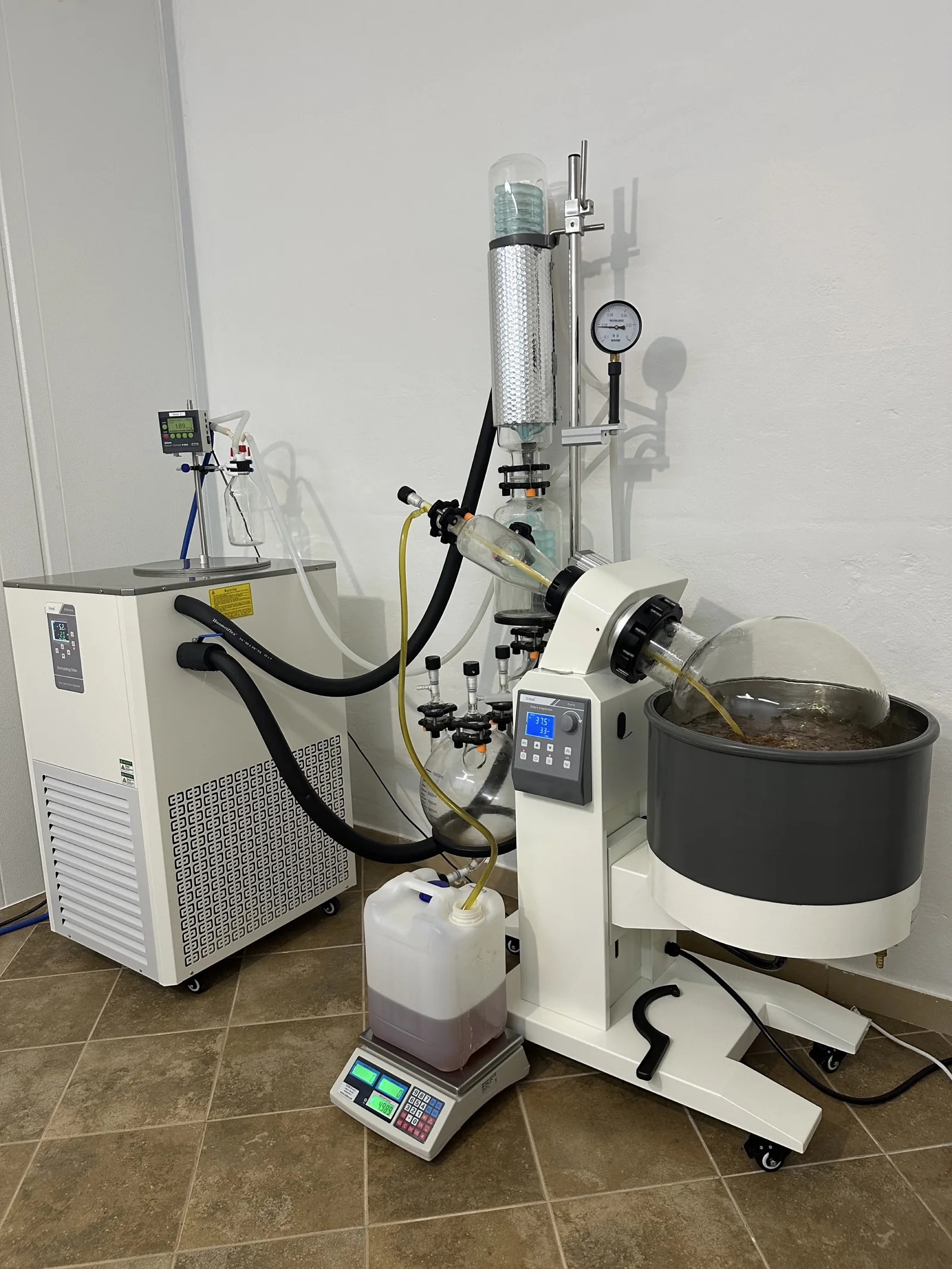
Yields are further improved by ultrasound-assisted extraction (UAE), where acoustic cavitation accelerates mass transfer and helps release compounds from the matrix. UAE performance is well documented for mushroom bioactives, including parameter optimizations for higher yield and/or lower process temperature.[4][5][6] We also use a high solvent-to-solid ratio (typically around ~30–40 mL/g, depending on species and target fraction), consistent with published optimizations for different compound classes.[6][9][10] After extraction, excess solvent is removed via low-temperature vacuum concentration (≈ 35–45 °C), then fractions are blended and formulated into the final extract (alcoholic or glycerin-based).
What the process includes
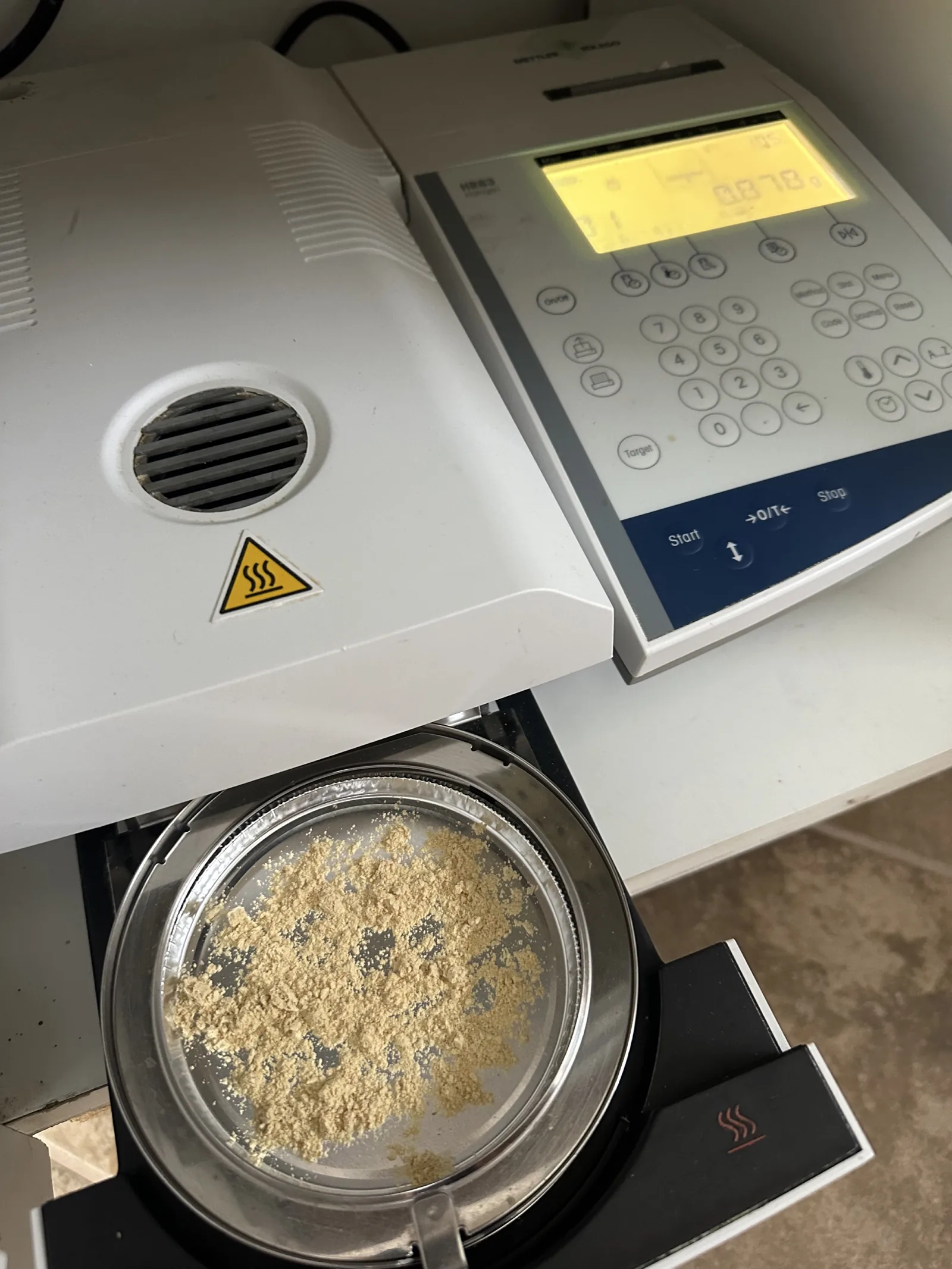
- Raw material intake & preparation: reception, QC moisture check, drying to ~8% moisture, milling to a homogeneous fraction.
-
Batch triple extraction:
- ethanol extraction (triterpenes, hericenones, phenolics)
- hot-water extraction (≈ 80–90 °C, polysaccharides)
- pressure extraction (≈ 120–130 °C, high-molecular fractions)
- Fraction blending and final formulation (alcoholic or alcohol-free / glycerin-based).
Technology highlights
- Ultrasound-assisted extraction with temperature control.
- High solvent-to-solid ratio for higher extraction yield.
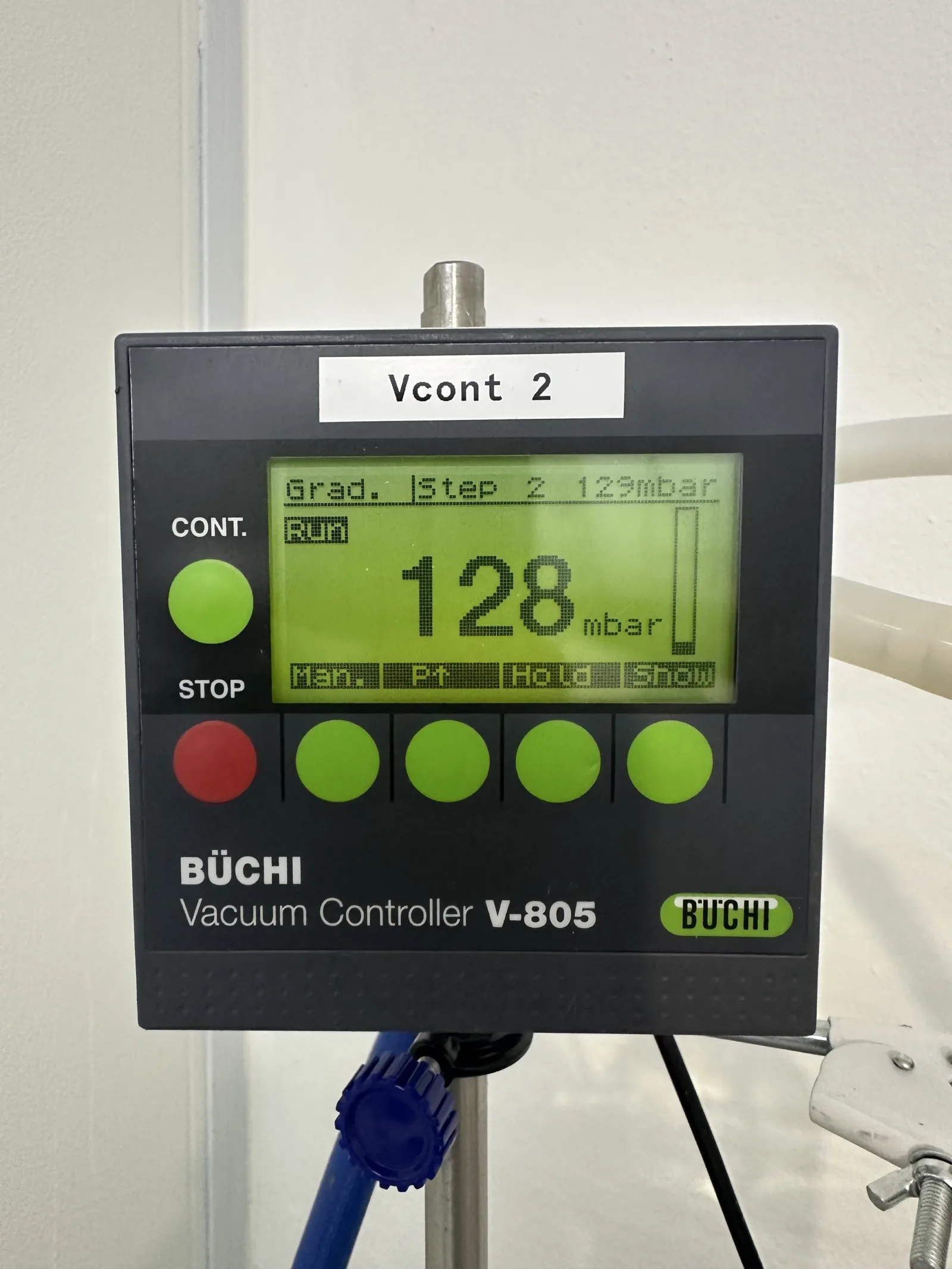
- Low-temperature vacuum concentration.
Input material
- Reishi (Ganoderma lucidum) from our own cultivation (mycelium → fruiting bodies).
- Other medicinal mushroom species by agreement — processing of customer-supplied raw material is possible.
Solvents and formulations
- Food-grade ethanol, purified water (reverse osmosis) and plant glycerin Ph. Eur.
- Alcoholic or alcohol-free (glycerin-based) option.
- Optional sunflower lecithin (stability, bioavailability) and vitamin C (antioxidant protection).
Standardization & quality control
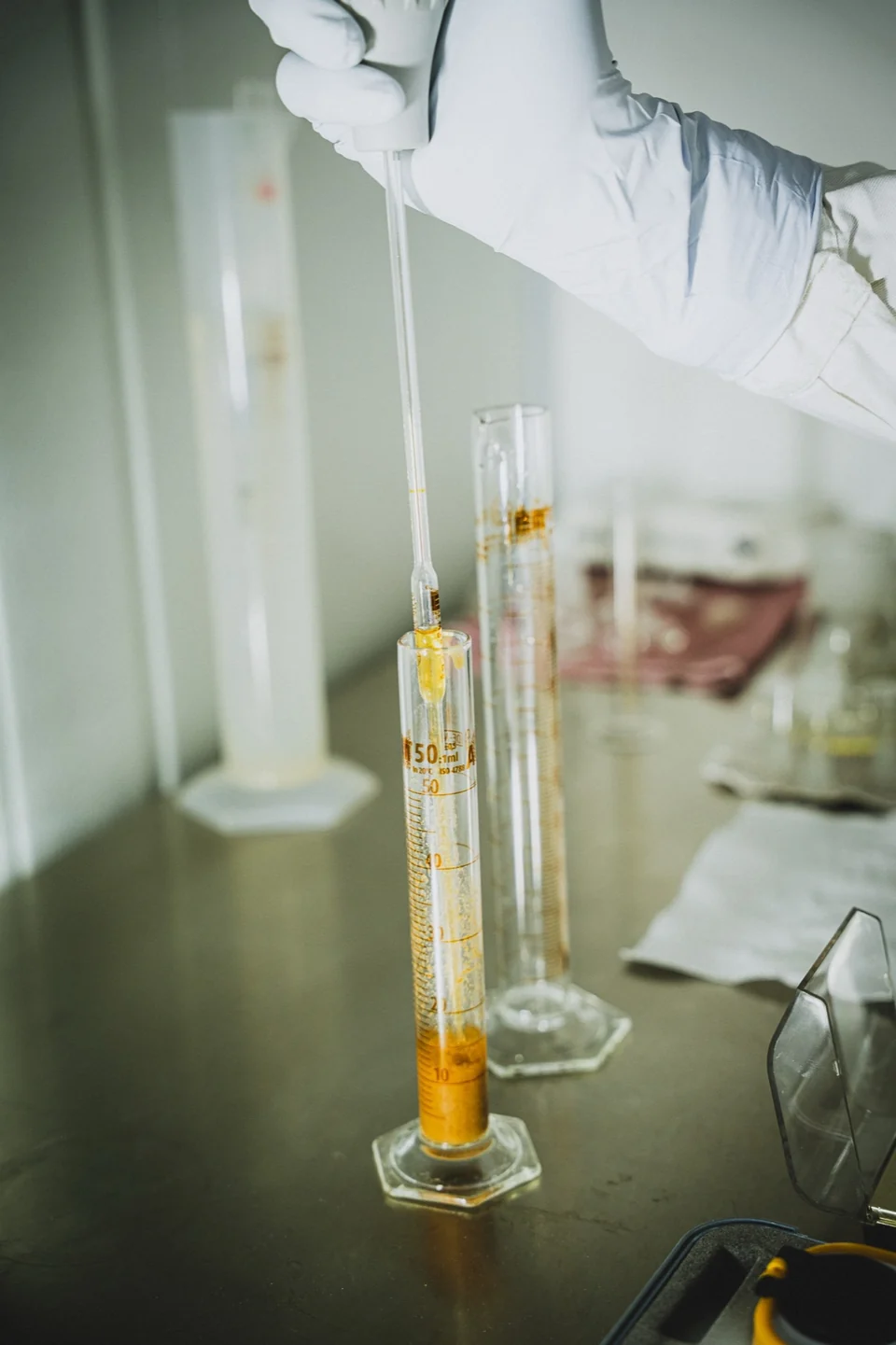
- Solids %, ethanol %, glycerin %, density and organoleptic checks.
- As needed: microbiology and heavy metals (Pb, Cd, Hg).
- Basic stability checks of the final formulation.
- Internal QC: defined minimum solids targets per species (see table below).
Compliance & documentation
- Work performed using HACCP / GMP principles.
- SOP / batch documentation system and full lot traceability.
- Ethanol handled with excise-compliant traceability and recordkeeping.
Sediment in medicinal mushroom tinctures — a sign of high concentration, not a defect
Our tinctures are intentionally not filtered to absolute clarity, because that would remove part of the actives. Natural sediment is therefore normal and desirable — a sign of high bioactive concentration, not a production issue.
Each extraction phase (ethanol and water phases) is thoroughly filtered first. Sediment typically forms only after combining the water fraction (rich in polysaccharides and β-glucans) with the ethanol fraction (containing triterpenes and other alcohol-soluble compounds). Because many polysaccharides/β-glucans are poorly soluble or insoluble in alcohol, part of them naturally precipitates and settles at the bottom.
This sediment is therefore primarily composed of water-soluble polysaccharides and β-glucans originating from the aqueous part. This can occur in all species, including Reishi; it is typically less pronounced than in higher-solids species (e.g., Lion’s Mane).
Tinctures with almost no sediment often contain fewer polysaccharides, or they are filtered/diluted to the point where these fractions are low.
Solids content (and thus sediment) differs by species. Minimum and typical solids targets in our tinctures:
| Species | Minimum solids (%) | Typical solids in practice (%) | Characteristic |
|---|---|---|---|
| Reishi (Ganoderma lucidum) | ≥ 4 % | ≈ 5 % | lighter but present polysaccharide/β-glucan sediment |
| Chaga (Inonotus obliquus) | ≥ 6 % | ≈ 8.5 % | moderate sediment; rich in melanin-type pigments and polysaccharides |
| Lion’s Mane (Hericium erinaceus) | ≥ 10 % | ≈ 13 % | abundant sediment due to very high polysaccharide content |
Sources
- Latgé J-P, Wang T. Modern Biophysics Redefines Our Understanding of Fungal Cell Wall Structure, Complexity, and Dynamics. mBio. 2022. DOI: 10.1128/mbio.01145-22.
- Bekirian C, et al. β-1,6-glucan plays a central role in the structure and remodeling of the bilaminate fungal cell wall. eLife. 2024.
- Chemat F, et al. Advances in ultrasound assisted extraction of bioactive compounds: Mechanisms and applications. Ultrasonics Sonochemistry. 2019.
- Hu D-B, et al. Ultrasound-assisted extraction optimization of polyphenols from mushroom (RSM study). Frontiers in Nutrition. 2023.
- Zheng S, et al. Optimization of ultrasonic-assisted extraction of polysaccharides and triterpenoids from Ganoderma lucidum. PLOS ONE. 2020.
- Chin S-K, Law C-L. Maximizing the Retention of Ganoderic Acids and Water-Soluble Polysaccharides Content of Ganoderma lucidum Using Two-Stage Dehydration Method. Drying Technology. 2014.
- Li Y, et al. Effects of drying methods on bioactive components in Ganoderma lucidum (incl. vacuum drying). Food Research International. 2023.
- Gao Y, et al. Study of the Extraction Process and In Vivo Inhibitory Effect of Ganoderma lucidum Triterpenes. Molecules. 2011.
- Zheng S, et al. (Liquid/solid ratio influence in optimized extraction). PLOS ONE. 2020.
Reishi cultivation
At GoMushroom we cultivate Reishi (Ganoderma lucidum) end-to-end — from mycelium work, substrate preparation and sterilization to controlled fruiting. We operate in small batches, manually checking each bag to maintain stable growth conditions, high raw material quality and full traceability from strain selection to each tincture batch. We often choose the antler morphology, as research suggests this form can correlate with higher levels of key Reishi actives — especially triterpenes, i.e., ganoderic acids. [1] [2] [3]
How we cultivate Reishi
- Mycelium → sterile substrate → fruiting bodies (antlers or caps)
- All stages in-house: mycelium work, substrate prep & sterilization, fruiting in a controlled environment
- Organic inputs: wheat bran, millet, rye, beech sawdust
- Small batches: manual quality checks
- Traceability: from selected strain to tincture batch
- Antler conditions: limited airflow, elevated CO₂ and controlled light
Why antlers: a natural response and a more “triterpenoid-directed” profile
The antler form is a natural response to specific growth conditions. Under limited ventilation (leading to higher CO₂) and controlled light, Reishi may develop branched antler fruiting bodies instead of caps. Controlled experiments have shown that manipulating ventilation (CO₂) and light can reliably induce antler formation, while also affecting the bioactive profile and antioxidant potential of extracts. [4]
Additional work reports triterpenes and biological activities from antler-shaped G. lucidum, supporting the idea that antlers can represent a “stress” morphology associated with secondary metabolites. [5]
Literature
- Wu, S. et al. (2022). Ganoderma lucidum: A comprehensive review of phytochemistry, efficacy, safety and clinical study. Food Science and Human Wellness. DOI: 10.26599/FSHW.2022.9250051 · SciOpen: link
- Xia, Q. et al. (2014). A Comprehensive Review of the Structure Elucidation and Biological Activity of Triterpenoids from Ganoderma spp. Molecules, 19(11), 17478–17535. DOI: 10.3390/molecules191117478
- Wang, S. et al. (2024). Research Progress on the Biological Activity of Ganoderic Acids in Ganoderma lucidum over the Last Five Years. Open access (PMC)
- Sudheer, S. et al. (2018). Development of antler-type fruiting bodies of Ganoderma lucidum and determination of its biochemical properties. Fungal Biology, 122(5), 293–301. DOI: 10.1016/j.funbio.2018.01.007 · PubMed: 29665955
- Shao, H. et al. (2024). Triterpenes from antler-shaped fruiting body of Ganoderma lucidum and their hepatoprotective activities. Phytochemistry, 224, 114148. DOI: 10.1016/j.phytochem.2024.114148 · PubMed: 38763311
Botanical extracts
- Spruce shoots & selected plants; EtOH / glycerin / H₂O
- Same QC mindset as for mushrooms (HACCP/GMP)
- By agreement: target profile, taste, viscosity, filling
Grow substrate sterilization
- Preparation of substrates from organic ingredients
- Sterilization of substrates and grains
- Agar media preparation and sterilization
- Inoculation with mycelium
Approach — triple extraction and vacuum concentration
We get the maximum from each mushroom — repeatably, traceably, and gently.
Step 1
Triple extraction
Ethanol → hot water → pressure water. Each stage targets a different spectrum, resulting in a full-range extract.
Step 2
High solvent volume
A higher solvent volume delays saturation, improves mass transfer and increases extraction yield.
Step 3
Ultrasound support
Ultrasound micro-cavitation loosens the matrix and improves release of compounds — faster extraction, higher yield.
Step 4
Vacuum concentration
We remove solvents at lower temperatures to preserve sensitive compounds, natural aroma and color.
QC 1
Quality
Internal QC on raw materials and final products: solids, density, extractable fraction and batch traceability.
QC 2
Compliance
Work follows HACCP principles and a GMP approach; ethanol use is recorded with excise-compliant tracking.
Gallery

References — Fungalist
Our key partner is Fungalist, where you can find our tinctures.


Contact GoMushroom — medicinal mushroom extraction lab
Interested in working with GoMushroom? Send me a message and briefly describe what you need (product, raw material, development, wholesale, or a custom project). I respond quickly and suggest next steps: a short call, goal alignment, then a proposal (timeline, volumes, specifications) and execution plan.