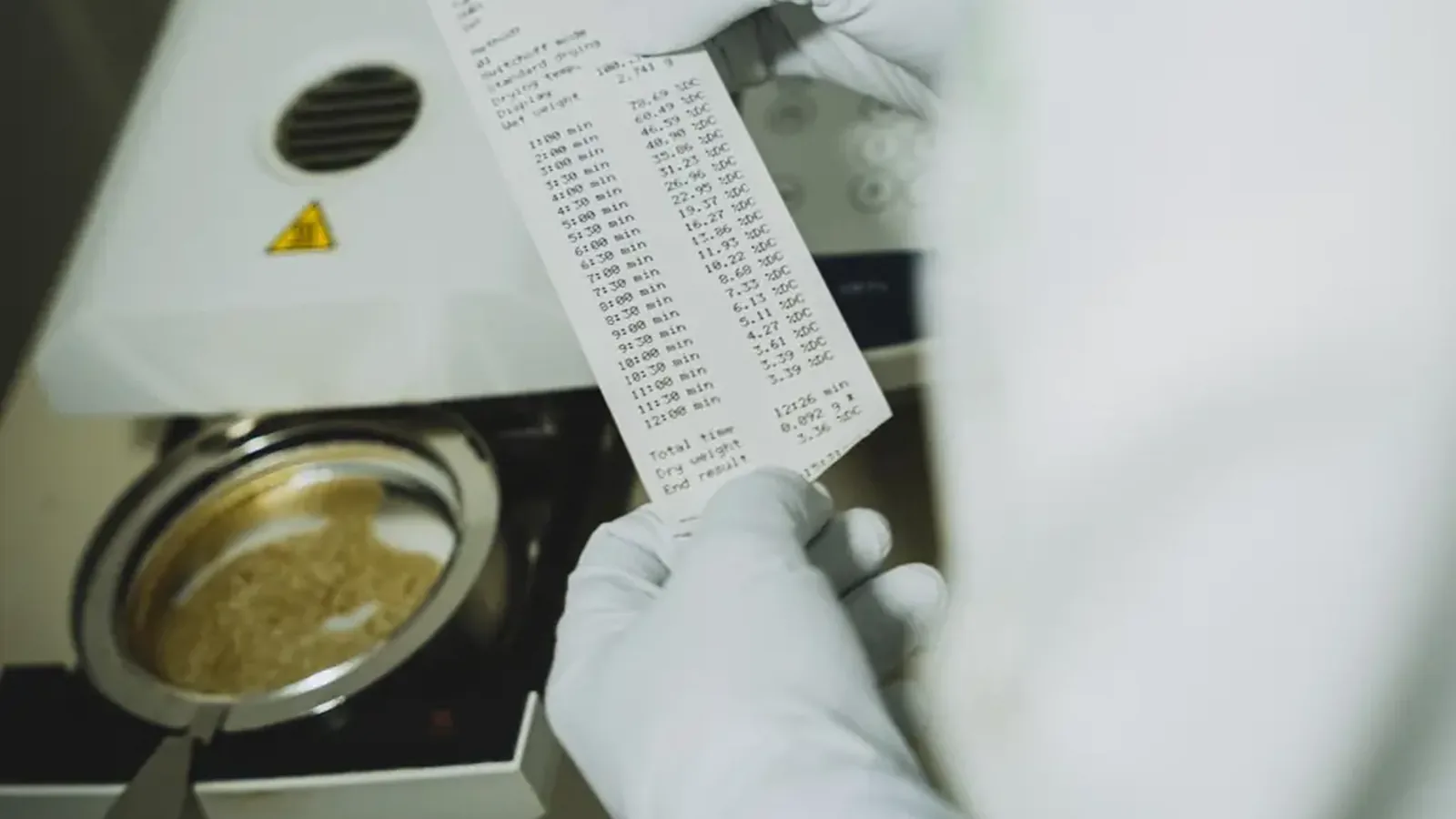
We measure the process. We track batches. We look for repeatability.
At GoMushroom, we don't want to simply assume quality. We use a combination of external laboratory analysis and internal process measurements to monitor production from raw material to the final extract.
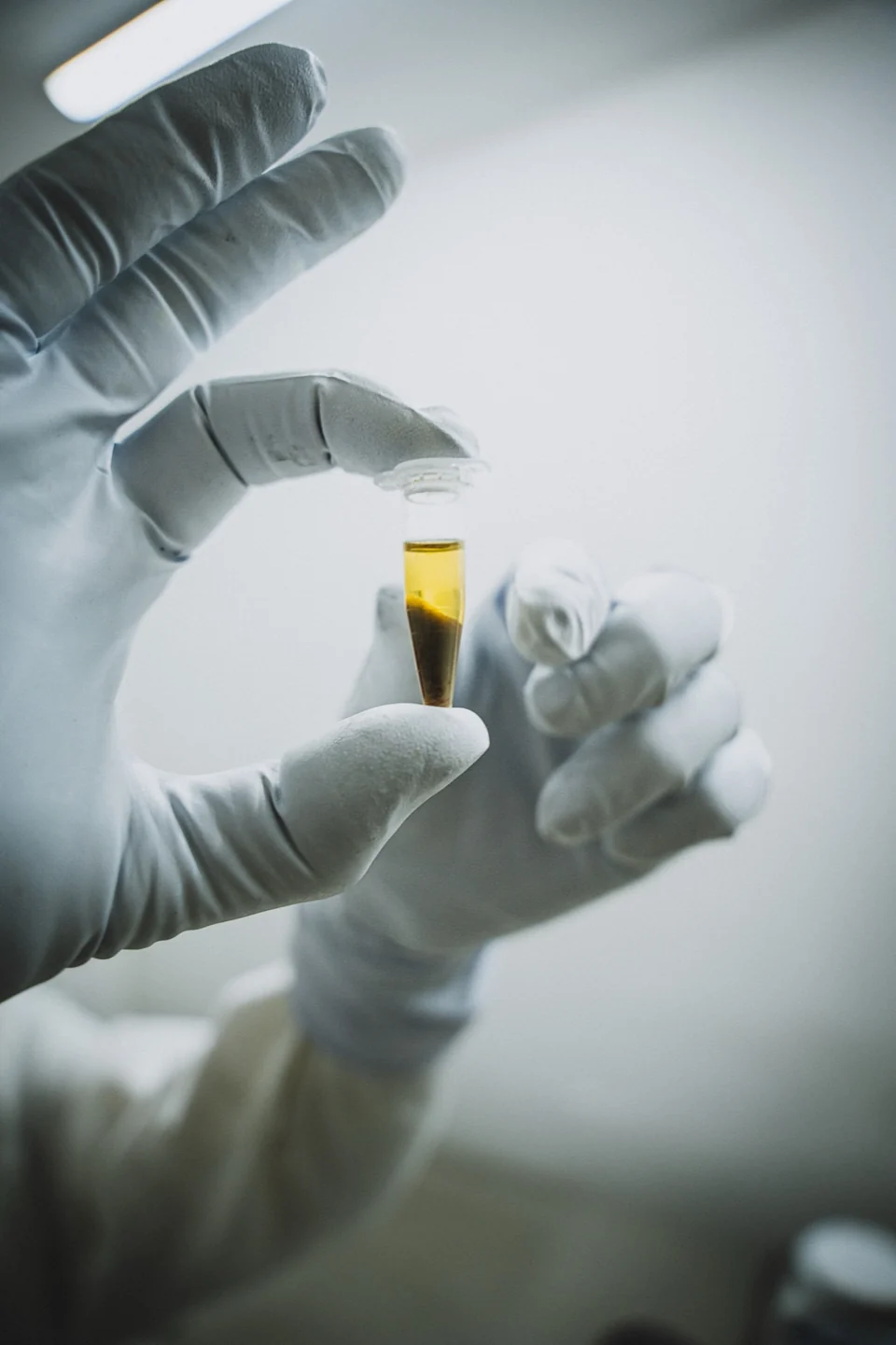
Heavy Metals
Pb · Cd · Hg · As
We test heavy metal content in the final, concentrated extract, where the result is most representative – any metals present are most concentrated here. Analysis is performed by an external accredited laboratory using the ICP-OES method.
See analysis results →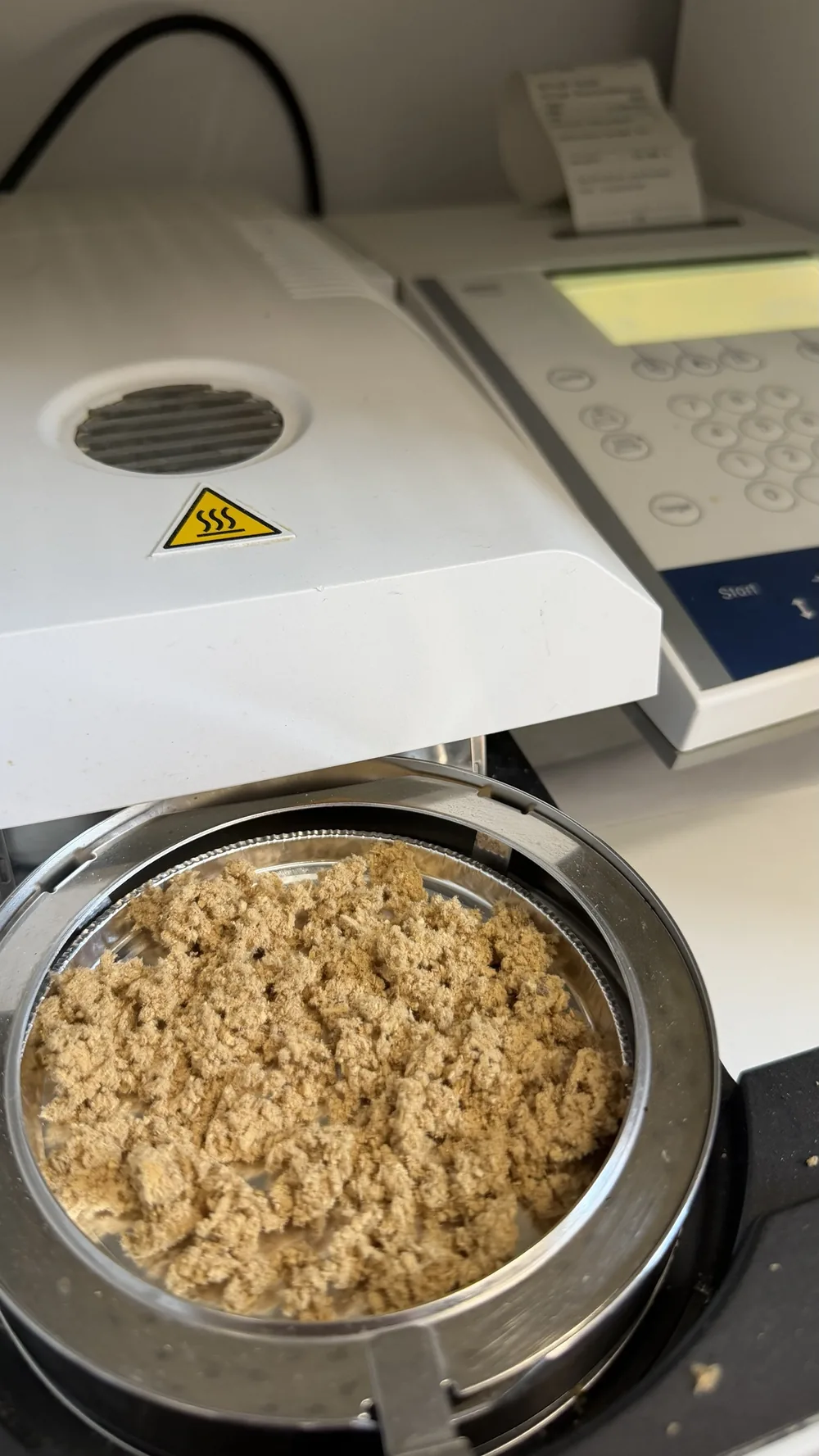
Dry Matter and LOD
Halogen moisture analyser
We use internal gravimetric measurements to monitor mushroom drying, determine the dry mass of the raw material, and track the extractable matter in extracts – data we use to optimise process parameters for the highest possible extraction yield from raw material into solvent.
We also use the halogen moisture analyser to track gravimetric extraction yield and the comparability of individual production batches.
How we measure LOD and dry matter →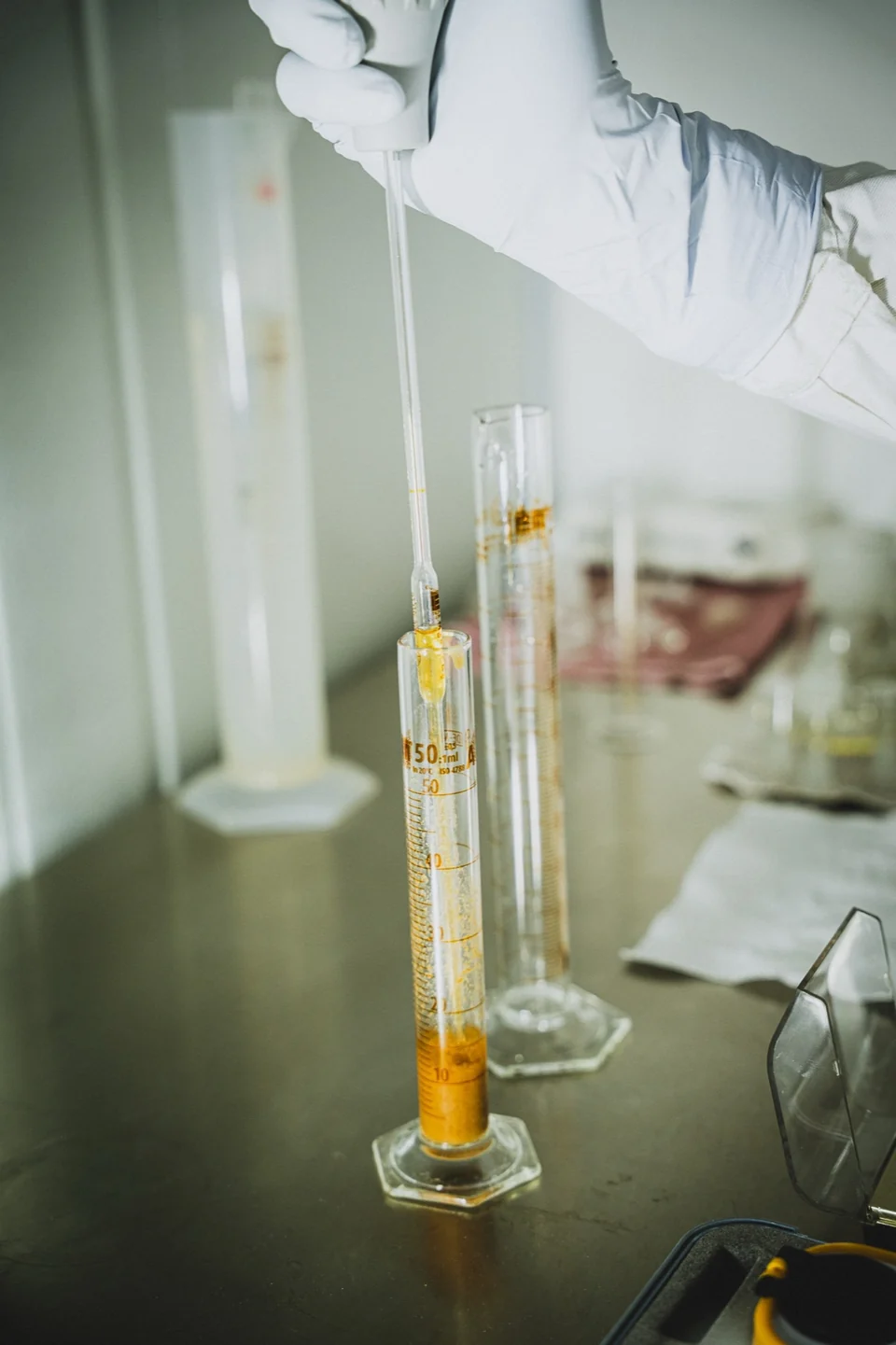
Ethanol Control
Alcoholmeter · Refractometer
For hydroethanolic extracts, we monitor ethanol concentration at various stages of the process — using alcoholmetry, refractometry and internal sample preparation procedures.
We use these measurements for process control of solvent preparation, extraction, concentration and final formulation.
How we monitor ethanol →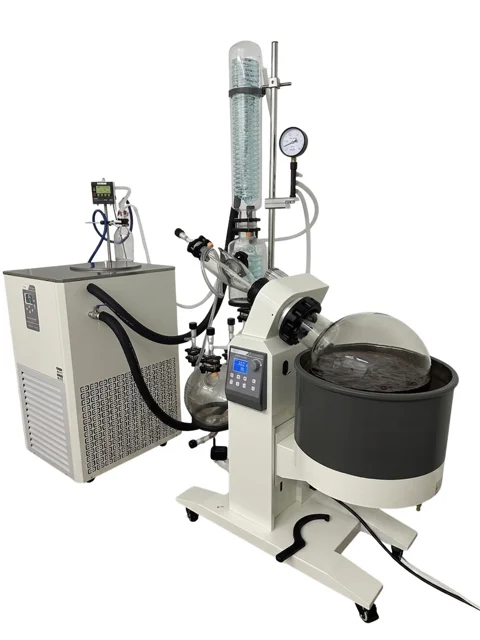
Mass Balance
From raw material to product
For each production batch, we track key input and output masses: raw material, solvents, extraction fractions, concentration, process losses and the quantity of the final extract.
Together with dry matter measurements, mass balance gives us a better understanding of the process and lets us compare individual batches.
How we monitor the process →
A tool for precision
Our own production management application
For precision and traceability, we don't rely on measurements alone – we manage batches through our own internal application, which records process steps, times, masses and equipment use for every work order.
It enables precise calculations (mass balance, dilutions, solvent consumption) and a complete record of every batch, from raw material to final product.
WHAT WE MONITOR
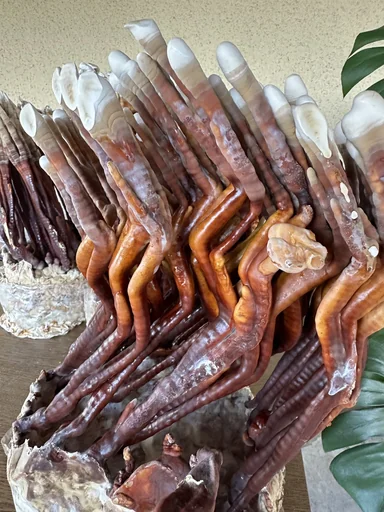
Raw material
LOD
moisture · dry matter
raw material lot
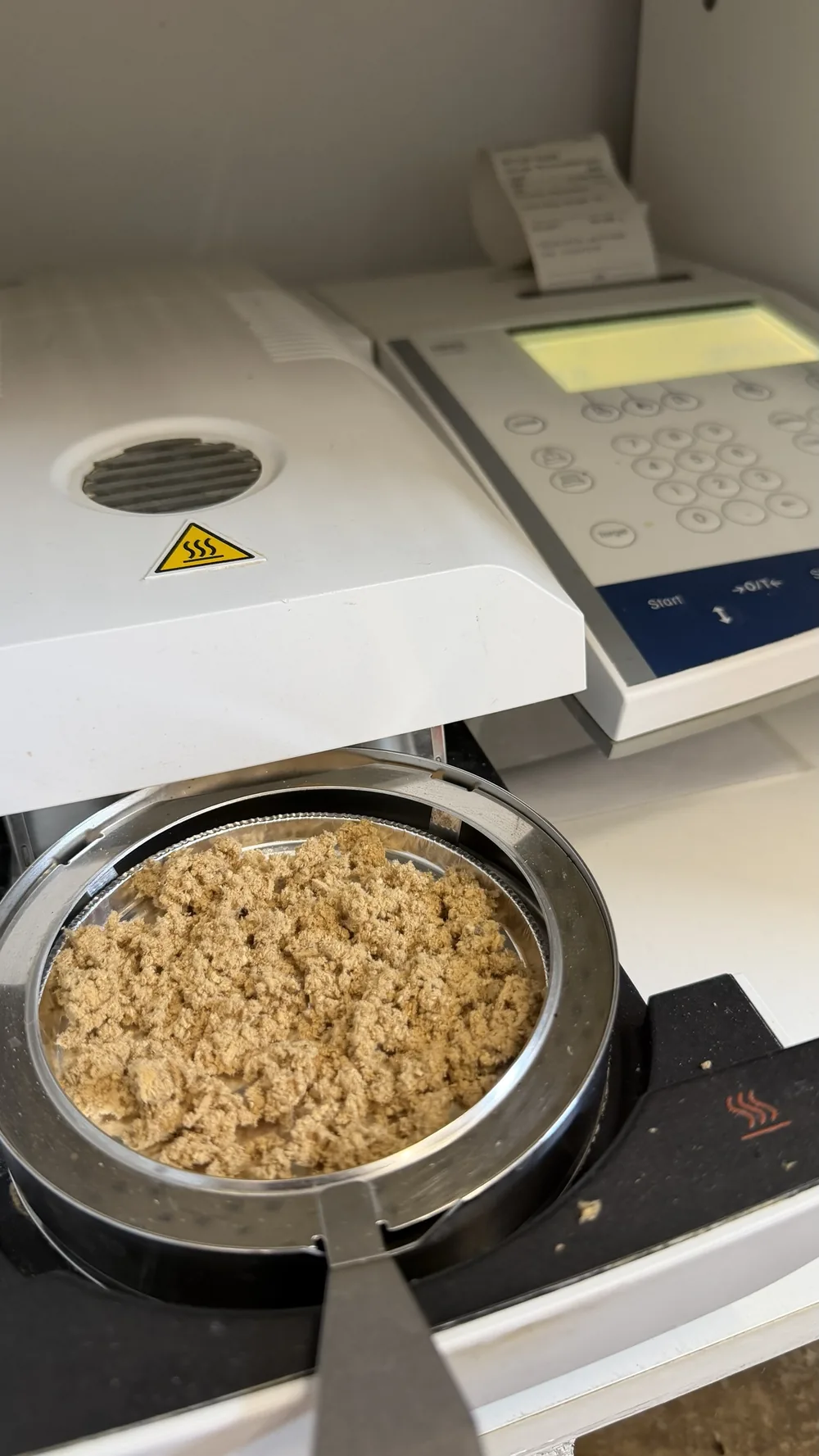
Drying
LOD
drying endpoint control

Extraction
time · temperature · solvent
process parameters
Concentration
fraction mass · losses
mass balance
Formulation
ethanol concentration
adjustment / dilution

Final extract
extractable matter · ethanol
batch comparability
In more detail
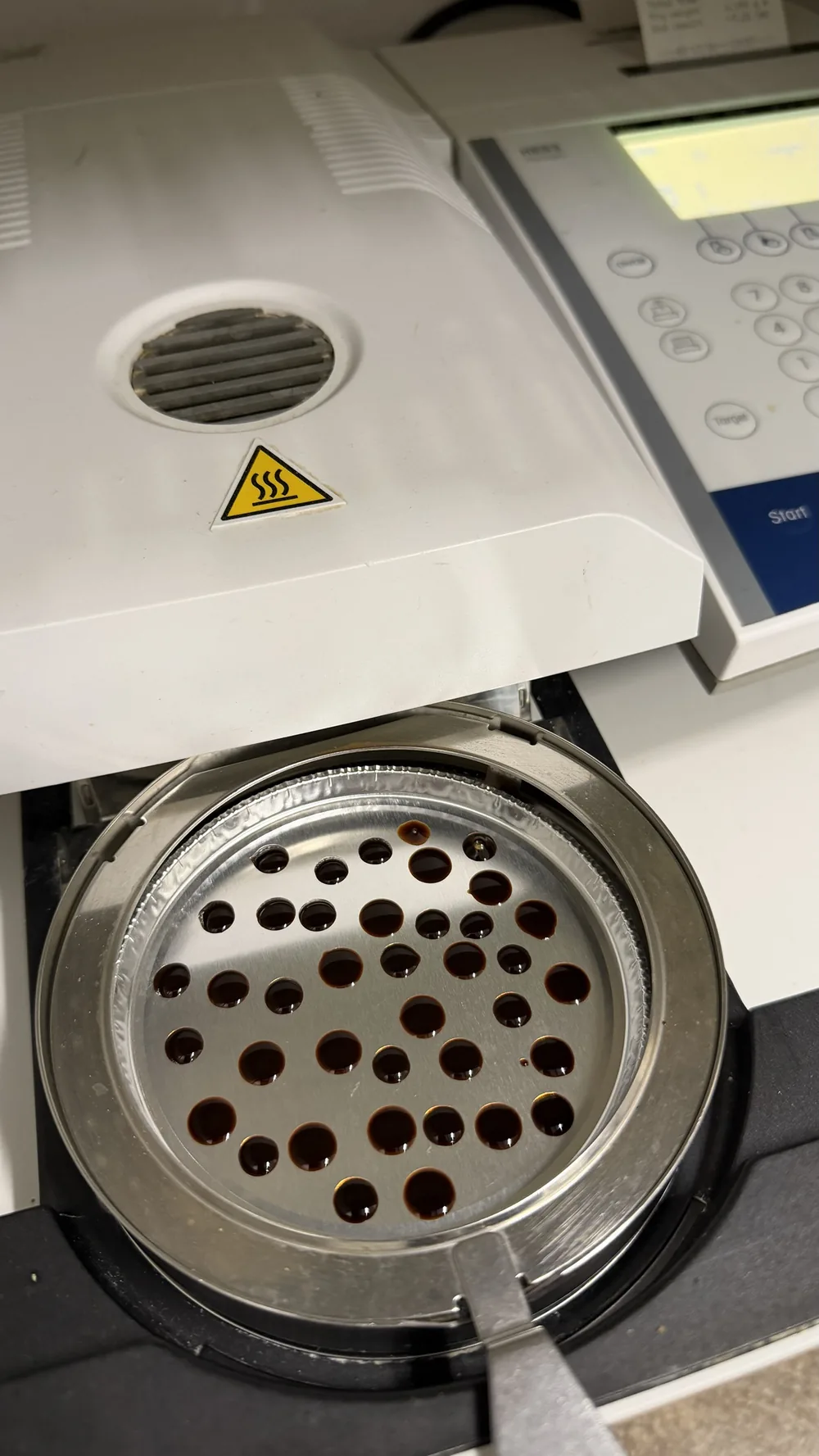
Dry matter tells us more than just a ratio
We have used Loss on Drying (LOD) and dry residue measurements in the past to develop and optimise extraction processes. Today we use the same method to monitor:
- mushroom drying,
- the actual dry mass of the raw material,
- extractable matter in the extract,
- gravimetric extraction yield,
- the comparability of individual production batches.
By monitoring extractable matter, we can optimise extraction process parameters (time, temperature, raw material-to-solvent ratio) to draw as much extracted matter as possible from the mushroom into the solvent.
Example results
Heavy metals in selected raw materials
Analyses are performed at an external accredited laboratory. Here is an example of results for some of our raw materials.
| Species | Pb (mg/kg) | Cd (mg/kg) | Hg (mg/kg) | As (mg/kg) |
|---|---|---|---|---|
| Reishi | 0.011 | 0.021 | < 0.0010 | < 0.010 |
| Lion's Mane | < 0.010 | 0.014 | 0.0015 | < 0.010 |
| Chaga | 0.011 | 0.0087 | 0.0012 | < 0.010 |
Full analysis results and certificates of analysis (COA) are available on the detailed results page.
Our goal
To have a process we can measure, understand and repeat.
Quality control at GoMushroom is not just about analysing the final product. We monitor the entire process – from raw material and drying through extraction, concentration and final formulation.
Through external laboratory analysis and internal process measurements, we monitor key parameters and the comparability of individual production batches.